
Electrical Safety for Holiday Lets and Empty Homes: A Bath Checklist
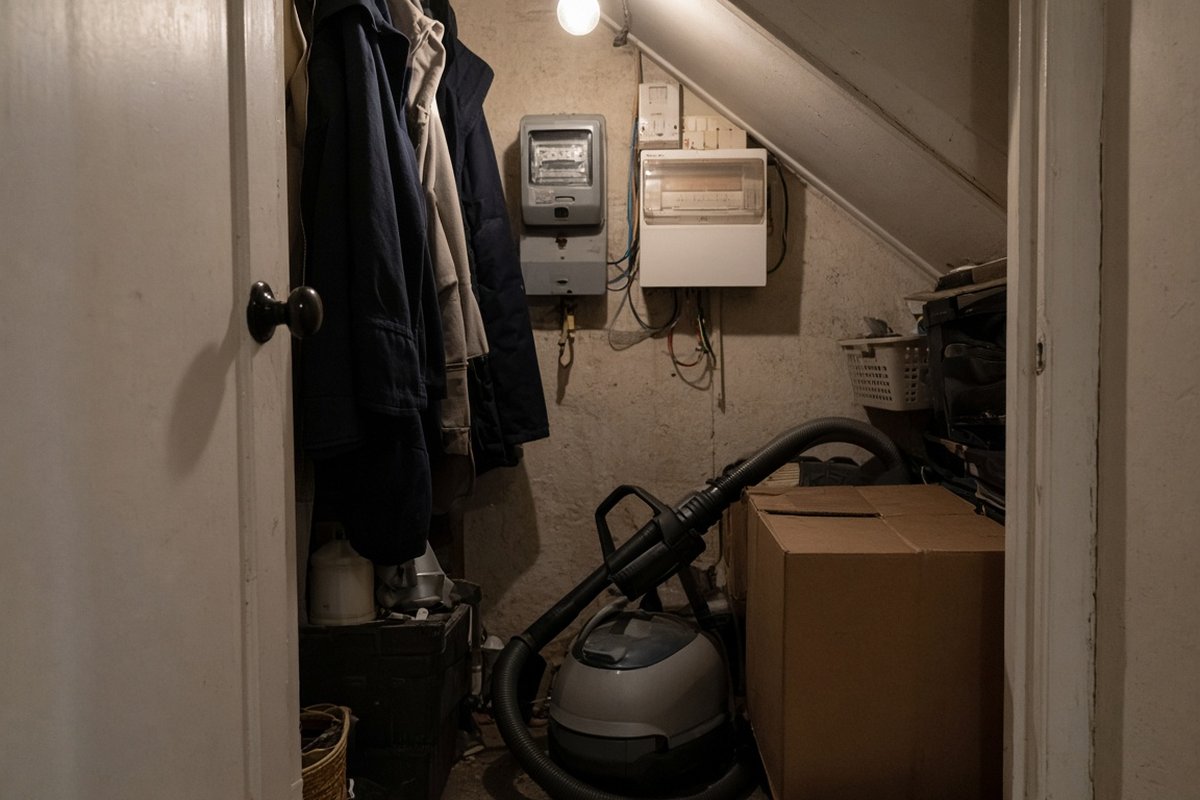
Bath has a large number of holiday lets, short-term rentals and second homes, and a fair number of homes that sit empty between tenancies or while owners are away. Properties that change hands every few days, or that nobody visits for weeks, have their own electrical risks: guests who do not know where the consumer unit is, appliances left on, faults nobody notices and leaks that go undetected. This guide explains how to keep these properties safe.
Why These Properties Are Different
In a home you live in, you notice a warm socket, a flicker or a smell. In a holiday let, the guest may not report it, or may not know it is a problem. In an empty home, nobody notices anything until it has become serious. Faults that would be picked up quickly in everyday use can go unnoticed for weeks.
Holiday lets also see heavy use of portable appliances, extension leads brought by guests, hair dryers and straighteners in bedrooms, and sometimes overloaded kitchens.
What the Rules Say
| Property type | Electrical requirements |
|---|---|
| Private rented home (assured shorthold tenancy) | EICR at least every 5 years under the 2020 regulations |
| Holiday let and short-term rental | Duty of care and fire safety law; EICR strongly recommended |
| HMO | Licence conditions often require EICR and PAT testing |
| Second home (owner use) | No specific requirement; EICR every 10 years recommended |
| Empty property | Insurance may require regular inspections |
Holiday lets are not covered by the 2020 private rented sector regulations in the same way, but owners still have a legal duty of care to guests, and fire safety law applies. Many insurers, letting platforms and agencies expect a current EICR and PAT testing.
Inspections and Testing
EICR
An EICR checks the fixed wiring: consumer unit, circuits, sockets, switches and fittings. For a holiday let, every 5 years is a sensible interval, or more often if the property is heavily used. See EICR vs PAT testing.
PAT testing
Portable appliance testing checks the appliances you provide: kettles, toasters, lamps, hair dryers, heaters, TVs. It is not a legal requirement in itself, but it is a practical way to show you have checked them. Annual testing is common for holiday lets.
Visual checks between guests
Cleaners and changeover staff can do quick visual checks: damaged plugs and leads, scorched sockets, missing covers, broken fittings, and appliances left switched on.
Smoke and Carbon Monoxide Alarms
Holiday lets and rented homes should have working smoke alarms on each floor and carbon monoxide alarms where there are fuel-burning appliances. Mains-wired, interlinked alarms are best. Test them at each changeover.
Information for Guests
Leave clear, simple information in the property:
- Where the consumer unit is and how to reset a tripped switch.
- Which appliances should not be used together.
- Not to bring their own heaters or use extension leads for high-power appliances.
- What to do in a power cut: call 105 if the street is off.
- Who to call in an emergency, with a 24-hour number.
What to Leave On and Off in an Empty Home
| Item | On or off? |
|---|---|
| Fridge and freezer (if stocked) | On |
| Burglar alarm | On |
| Heating frost protection | On in winter |
| Smoke and CO alarms | On |
| Immersion heater | Off unless on a timer |
| TVs, chargers, kettles | Off and unplugged |
| Outside lights | On a timer or sensor, if needed |
| Electric heaters | Off |
Some owners switch off everything except essential circuits. If your consumer unit has well-labelled circuits, you can leave the fridge, alarm and heating controls on and switch off the rest.
Leaks in Empty Homes
A leak in an empty home can run for days. Water reaching the electrics can cause trips, damage and danger. In winter, protect pipes from freezing, keep the heating on low, and ask someone to check the property regularly. Smart leak detectors and remote monitoring can help. See electrics after water damage in Bath.
Old Wiring in Period Holiday Lets
Many Bath holiday lets are in Georgian or Victorian buildings, sometimes in flats within listed townhouses. Older wiring needs more frequent checking, and upgrades should be planned between bookings. See signs your house needs a rewire.
Frequently Asked Questions
Does a holiday let need an EICR?
It is strongly recommended and often required by insurers and agencies.
How often should appliances be PAT tested?
Annually is common for holiday lets.
Can I switch everything off when the property is empty?
You can, but leave essentials like alarms, frost protection and fridges on if needed.
Who do guests call in an emergency?
Leave a clear 24-hour number. We provide emergency call-outs across Bath.
Need an Electrician for a Holiday Let?
We carry out EICRs, repairs and emergency call-outs for holiday lets across Bath. See our commercial services.