
RCD vs RCBO: What's the Difference and Which Does Your Home Need?
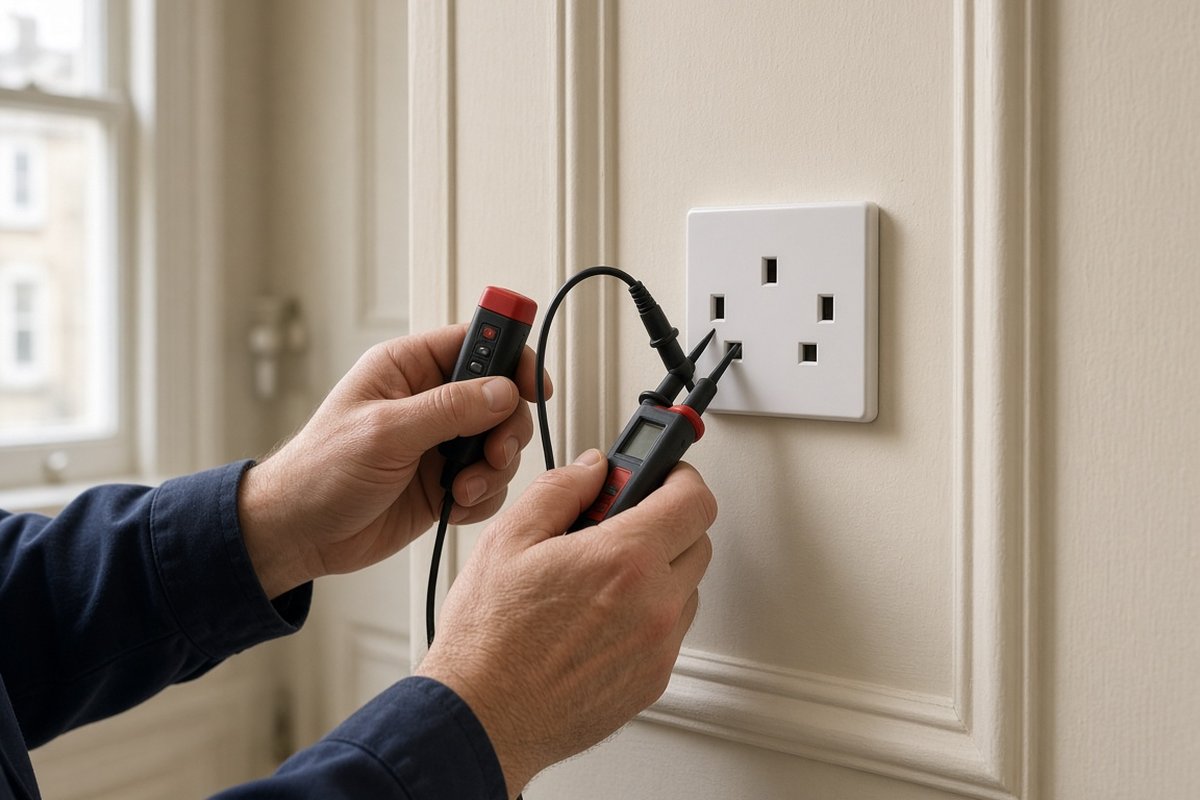
RCDs and RCBOs both protect people from electric shock by switching off when current leaks to earth. The difference is scope: an RCD usually protects a group of circuits, so one fault can switch several off, while an RCBO protects a single circuit and also provides overload protection. This guide explains how each works, the pros and cons, and which is right for your consumer unit.
Quick Comparison
| RCD | RCBO | |
|---|---|---|
| Earth leakage protection | Yes | Yes |
| Overload and short circuit protection | No (needs MCBs) | Yes |
| Circuits protected | Usually several | One |
| Effect of a fault | Several circuits go off | Only the faulty circuit goes off |
| Cost | Lower | Higher |
| Space in the board | Less | One per circuit |
How an RCD Works
An RCD compares current flowing out on the live conductor with current returning on the neutral. If they differ by more than about 30 mA, current is leaking somewhere, possibly through a person, and the RCD switches off in a fraction of a second.
How an RCBO Works
An RCBO does the same leakage detection but also contains an MCB, which trips on overload or short circuit. Each circuit gets its own device.
Board Layouts
Single Main RCD
Older boards may have one RCD covering everything. One fault switches off the whole house.
Split-Load and Dual RCD
Many boards from the 2000s and 2010s have two RCDs, each covering half the circuits. One fault switches off half the house, including perhaps lights and the fridge.
All RCBO
Each circuit is separate. A fault in the kitchen does not switch off lights or the freezer. This is the most convenient arrangement.
Advantages of RCBOs
- Only the faulty circuit trips.
- Easier fault finding.
- Fewer nuisance trips from small leaks adding up across circuits.
- Better for homes with many appliances, heat pumps, solar or EV chargers.
Disadvantages of RCBOs
- Higher cost.
- May need a larger consumer unit.
Testing Your RCD or RCBO
Press the test button every few months. It should trip immediately. Reset it afterwards. If it does not trip, call an electrician. Note that pressing the test button switches off the circuits it protects.
Nuisance Tripping
Nuisance trips are often caused by small leakage currents from many appliances adding up on one RCD. Moving to RCBOs often solves this. See which appliance is tripping the power.
Upgrading
You can sometimes replace an RCD and MCBs with RCBOs in an existing board if the manufacturer's parts are available. Often a new consumer unit is simpler. Circuits are tested first, as faults hidden on old boards often appear once RCD protection is added.
Frequently Asked Questions
Do I have to upgrade to RCBOs?
No. Dual RCD boards meet regulations, but RCBOs are more convenient.
Why does my RCD trip at night?
Often a fridge, freezer, immersion heater or outdoor fitting.
What does 30 mA mean?
The leakage current at which the device trips, low enough to protect people.
Can RCBOs be added to my old board?
Sometimes, if compatible. Ask an electrician.
Thinking About an Upgrade?
See consumer unit replacement or contact us.