
Electrics After Water Damage: What to Do in the First 48 Hours
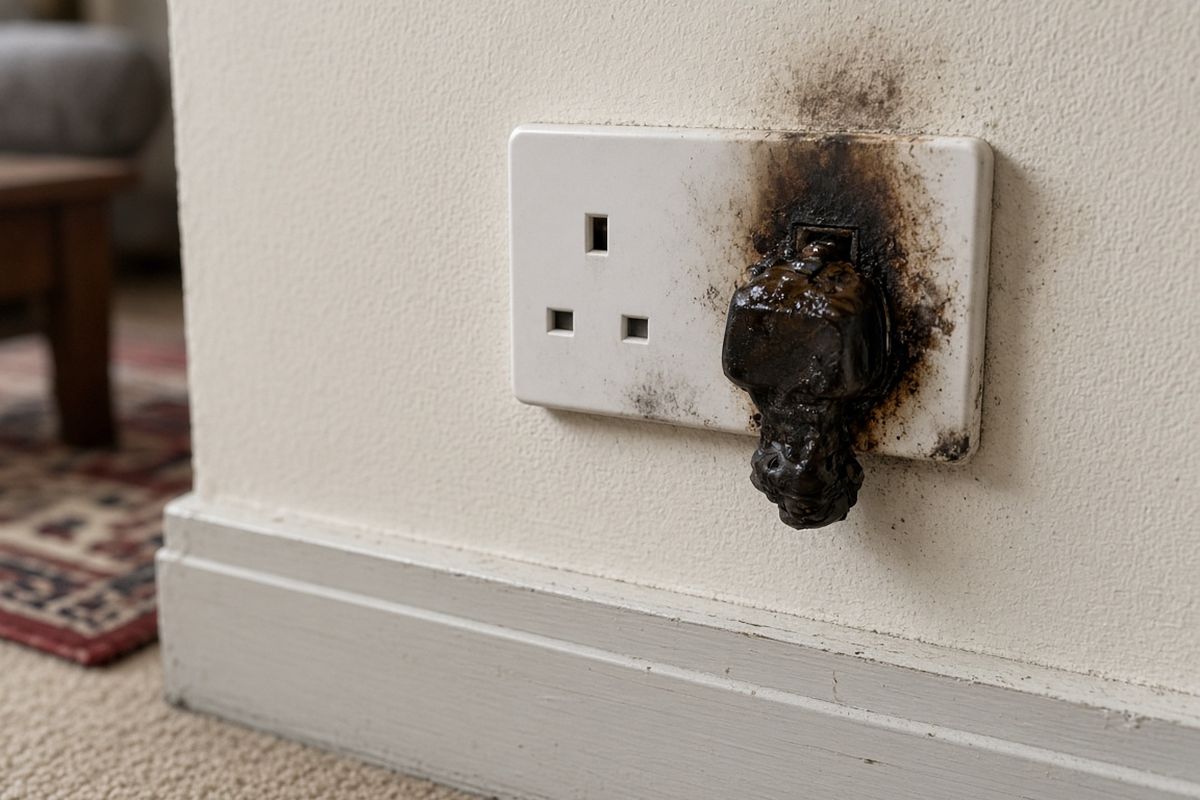
Water and electricity are a dangerous mix. After a leak, a burst pipe or flooding, wiring and fittings can stay wet long after the visible water has gone, and faults can appear days later. This guide explains what to do straight away, how electrics are tested and dried out, and what usually needs replacing after water damage in a Bath home.
What to Do First
- Do not touch wet switches, sockets or the consumer unit.
- Switch off at the main switch only if you can reach it from a dry place.
- Stop the water at the stopcock if safe.
- Keep everyone away from wet areas with electrics.
- Call an electrician and do not switch back on until checked.
If water is near the consumer unit or meter, do not approach it. Call us, and call 105 if the meter or supply cable is affected.
Why Water Damage Is Dangerous
| Risk | Why it happens |
|---|---|
| Electric shock | Water conducts through damaged insulation or wet fittings |
| Short circuits | Water bridges live and neutral |
| Corrosion | Terminals and connections corrode, causing heat later |
| Hidden damp | Water sits in back boxes, junction boxes and under floors |
| Delayed faults | Trips and failures days or weeks after the leak |
Common Sources of Water in Bath Homes
- Leaking baths, showers and toilets from flats above.
- Burst pipes in winter.
- Roof leaks reaching loft wiring. See roof leak into loft wiring.
- Rising damp or flooding in cellars.
- River flooding in low-lying areas near the Avon. See flooding and electrics.
- Condensation in poorly ventilated bathrooms.
How an Electrician Assesses Water Damage
- Safe isolation of affected circuits.
- Visual inspection of fittings, back boxes and junctions.
- Insulation resistance testing to measure how well cables are insulated. See insulation resistance test readings explained.
- Checking RCD operation.
- Deciding what can dry out and what must be replaced.
Drying Out
Cables themselves can often recover after drying, but fittings and connections usually do not. Drying may take days or weeks with dehumidifiers. Circuits are retested before they are reconnected.
What Usually Needs Replacing
- Sockets and switches that were submerged or dripped on.
- Light fittings that filled with water.
- Junction boxes with corroded terminals.
- Consumer units that got wet.
- Cables with damaged insulation, or cables in flooded floor voids.
Insurance
Escape of water is commonly covered by buildings insurance, including resulting electrical damage. Keep photos and the electrician's report. See does home insurance cover electrical damage?
Restoring Power Safely
Unaffected circuits can sometimes be restored first, so you have lights and a fridge while the rest dries. Your electrician will advise what is safe.
Frequently Asked Questions
Can I switch the power back on once it looks dry?
Not until tested. Water can remain inside fittings.
How long until my electrics are safe?
It depends on the damage. Some circuits may be restored the same day; others after drying.
Do I need a full rewire after a flood?
Not always. Testing shows which parts are affected.
Will my insurer pay for the electrician?
Often, if water damage is covered. Check your policy.
Water Damage to Your Electrics?
Call us for urgent help. See water damaged electrics.