
Is DIY Electrical Work Legal in England? Part P, Notifiable Work and When to Stop
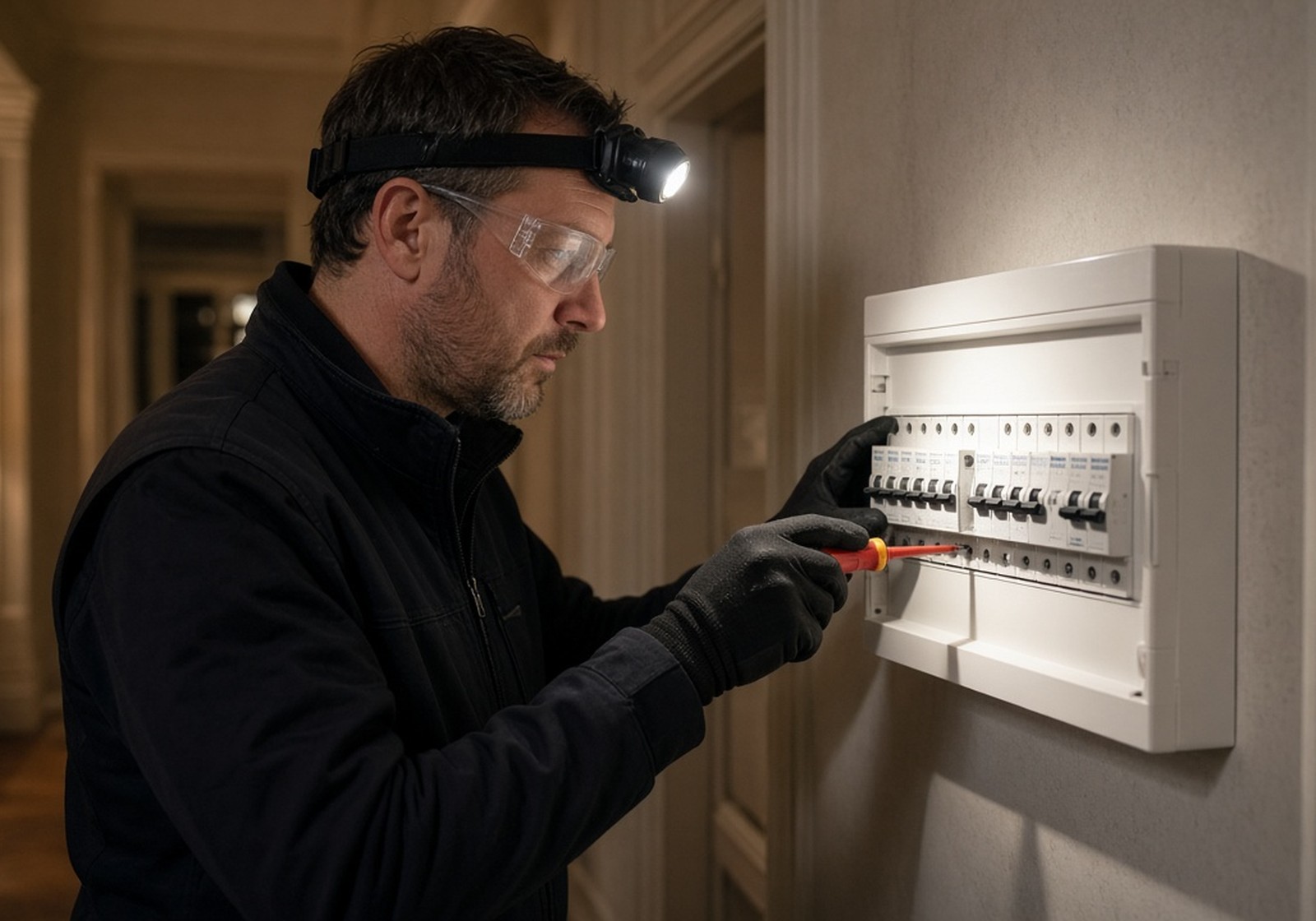
In England, DIY electrical work is not illegal, but some jobs are notifiable under Part P of the Building Regulations and must be checked by building control or done by a registered electrician. Getting it wrong can affect safety, insurance and a future house sale. This guide explains what you can and cannot do yourself, what is notifiable, and how to stay safe.
What Part P Covers
Part P applies to electrical installations in homes and their gardens. It requires work to be designed and installed to protect people from fire and electric shock. Certain jobs are notifiable, meaning building control must be told.
Notifiable and Non-Notifiable Work
| Job | Notifiable? |
|---|---|
| New circuit | Yes |
| Consumer unit replacement | Yes |
| Adding to or altering a circuit in a bathroom's special locations (zones) | Yes |
| Full or partial rewire | Yes |
| Replacing a socket, switch or light like for like | No |
| Adding a socket to an existing circuit (not in a special location) | No |
| Replacing a damaged cable for a single circuit on the same route | No |
| Fitting a new outdoor circuit | Yes |
See Part P building regulations explained.
Doing Notifiable Work Yourself
You can do notifiable work yourself, but you must apply to Bath and North East Somerset Council's building control before starting and pay a fee. They will inspect and may require testing by a qualified person. In practice, most homeowners find it easier to use a registered electrician who self-certifies.
Non-Notifiable DIY
Simple jobs such as replacing a socket face or a light fitting like for like can be done by a competent person. You must still:
- Isolate the circuit safely. See safe isolation explained.
- Use the right parts.
- Connect correctly.
- Test that it works safely.
If you are unsure about any of these, do not do it.
Risks of DIY Electrical Work
- Shock and burns.
- Fire from loose connections.
- Faults that only show months later.
- Insurance claims refused if unsafe work caused damage.
- Problems when selling. See selling a house: electrical certificates.
Landlords
Landlords should not carry out electrical work in rental properties unless they are competent, and all work must meet BS 7671. EICRs will pick up poor work.
Buying a Home With DIY Electrics
Signs of DIY electrics include odd cable colours, unlabelled circuits, sockets in strange places, extension leads wired into walls and mismatched accessories. An EICR is wise. See buying a house electrical survey.
When Things Go Wrong
If a DIY job has caused trips, sparks or burning smells, switch off the circuit and call an electrician. Be honest about what was done; it speeds up fault finding.
Frequently Asked Questions
Can I change a light fitting myself?
Yes, like for like, if you are competent and isolate the circuit safely.
Can I replace my own consumer unit?
Only with building control approval. It is best left to a registered electrician.
Will DIY electrics affect my insurance?
Possibly, if poor work caused damage.
What happens if I sell with unnotified work?
The buyer's solicitor may ask for certificates or indemnity insurance.
Unsure About DIY Work?
Call us for advice or to check your work. See our services.