
Part P Building Regulations Explained: Competent Person Schemes, Notification and Local Rules
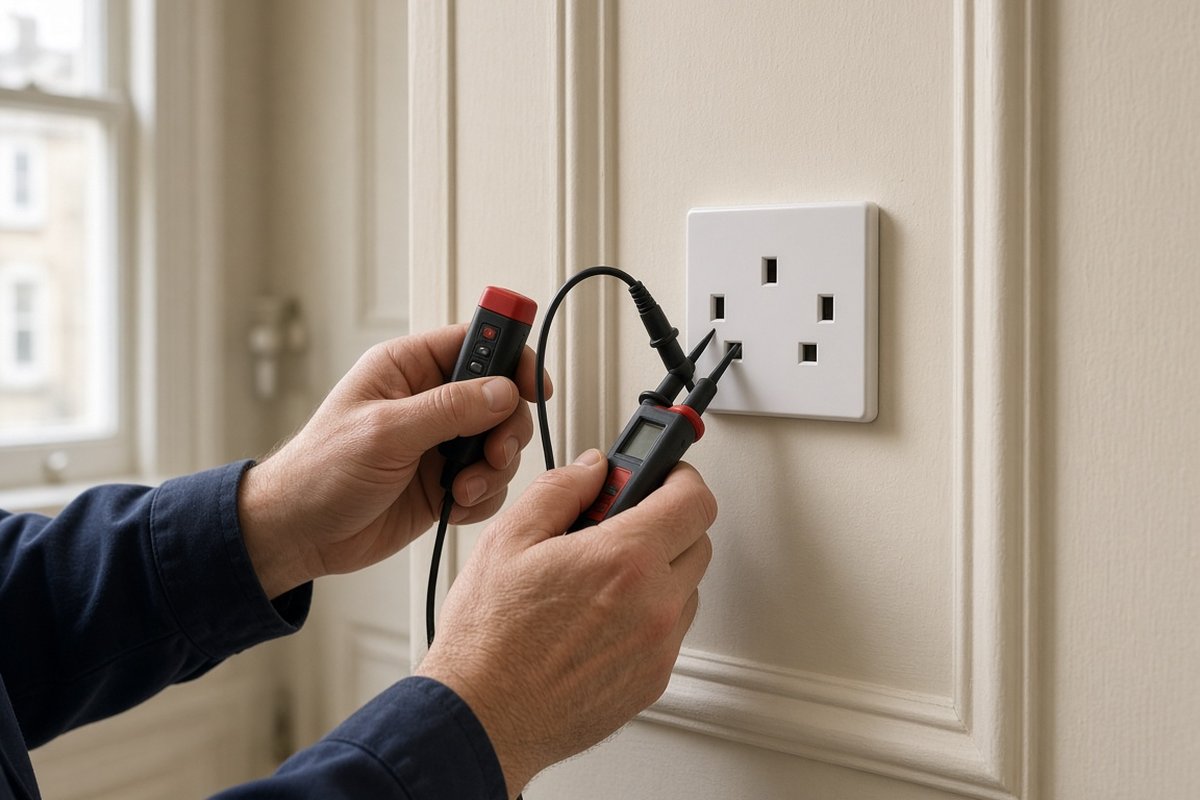
Part P of the Building Regulations is the part that deals with electrical safety in homes in England. It does not ban DIY, and it does not require you to rewire an old house, but it does say that certain work must be notified to building control and that all electrical work must be safe. This guide explains what Part P requires, what is notifiable, how competent person schemes work and how Part P affects selling a home in Bath.
What Part P Covers
Part P applies to fixed electrical installations in dwellings in England: houses, flats, and the gardens and outbuildings that belong to them. It requires that electrical work is designed and installed to protect people from fire and electric shock. In practice, that means following BS 7671, the IET Wiring Regulations, and the guidance in Approved Document P.
Part P came into force in January 2005 and was revised in 2013, which reduced the range of notifiable work.
What Is Notifiable
| Work | Notifiable? |
|---|---|
| Installing a new circuit | Yes |
| Replacing a consumer unit | Yes |
| Adding to or altering a circuit in a room with a bath or shower, within the special location | Yes |
| Replacing a socket, switch or light fitting like-for-like | No |
| Adding a socket or light to an existing circuit (outside special locations) | No |
| Replacing a damaged cable for a single circuit on the same route | No |
| Installing an EV charger on a new circuit | Yes |
| Outdoor circuits and supplies to outbuildings | Usually yes (new circuit) |
Non-notifiable work still has to be safe and should still be tested and certified.
How Notification Works
Competent person schemes
Electricians registered with a government-approved competent person scheme can self-certify notifiable work. They notify the work to the scheme, which tells the local authority. You receive an Electrical Installation Certificate from the electrician and a Building Regulations compliance certificate, usually by post within a few weeks.
Building notice
If the person doing the work is not registered, the work must be notified to the local building control body before it starts. Building control may inspect the work and charge a fee. In Bath, that is Bath & North East Somerset Council building control. See is DIY electrical work legal?
Third-party certification
In some cases, a registered third-party certifier can inspect and certify work done by someone who is not registered.
Checking an Electrician Is Registered
You can check on the Electrical Competent Person register, which covers all the approved schemes. Ask for the electrician's registration number before work starts.
What You Should Receive
- An Electrical Installation Certificate (EIC) for new circuits or consumer unit changes, or a Minor Works Certificate for small additions.
- A Building Regulations compliance certificate for notifiable work.
- An invoice describing the work.
See electrical certificates after work explained.
Part P and Selling a Home
When you sell, the TA6 form asks about electrical work since 2005 and whether certificates are available. If notifiable work was done without notification, the buyer's solicitor may ask for a regularisation certificate, an EICR or indemnity insurance. See selling a house: electrical certificates.
Part P and Older Installations
Part P does not require you to upgrade existing wiring. But when you add to an old installation, the new work must be safe, and the existing installation must be adequate to support it. For example, adding a circuit may require a check of the earthing and bonding. An electrician may recommend improvements before connecting new work.
Listed Buildings
Part P applies to listed buildings like any other home. Listed building consent is a separate requirement. In Bath, both may apply: Part P for the electrical safety, and consent from the council if the work affects the building's character. See rewiring listed buildings in Bath.
What Happens If Work Was Not Notified
The local authority can require work to be put right. More commonly, the problem appears when selling. An electrician can carry out an EICR, and building control may accept a regularisation application in some cases.
Frequently Asked Questions
Is replacing a consumer unit notifiable?
Yes. It must be notified, usually by a registered electrician.
Can I do my own electrical work?
You can do non-notifiable work if you are competent. Notifiable work must be notified to building control first.
Does Part P apply in Wales and Scotland?
Wales has its own Part P with differences. Scotland has separate building standards.
How long does a compliance certificate take?
Usually a few weeks after the work is notified.
Need Notifiable Work Done?
We are based in Bath and provide certified work, including consumer unit replacement. Contact us.