
Why Do Electrical Faults Come Back After a Repair? Causes and How to Stop It
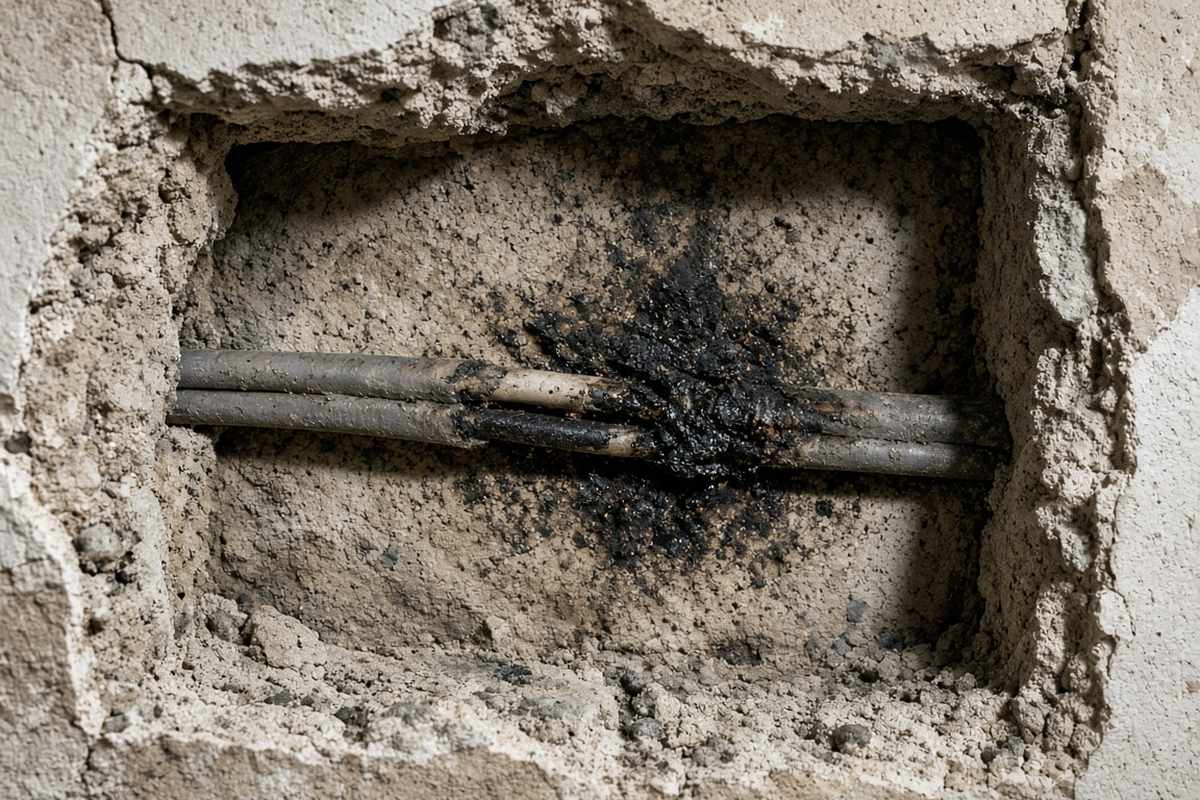
When an electrical fault comes back days or weeks after someone has "fixed" it, the first repair usually treated a symptom rather than the cause. A reset breaker, a swapped light fitting or a new socket front can make the problem disappear for a while, but if the real fault is further along the circuit, it returns.
Why Faults Can Return at All
Electrical faults are often intermittent. A cable nicked by a nail may only short when the floor flexes. Moisture in a junction box may only cause trouble in wet weather. An appliance may only leak current to earth once it warms up. A quick visit on a dry, quiet day can miss all of these.
The 5 Most Common Reasons Faults Come Back
- The cause was never found. The breaker was reset and the circuit "tested fine" on a quick check, but no insulation resistance testing was done.
- Only one of several faults was fixed. An RCD that protects half the house adds up small leakages from many circuits and appliances. Removing one may not be enough.
- Moisture is still getting in. An outside light, a cellar junction box or a leak into a ceiling fitting will keep causing trips until the water source is fixed.
- The repair itself was poor. Loose terminals, undersized cable or unsuitable connectors in a box that is then buried in plaster.
- The circuit is overloaded. Adding a heater or tumble dryer to a circuit that was already near its limit means a breaker that trips under load.
Recurring Fault or New Fault?
It is worth working out whether the same thing is happening again:
- Same circuit, same symptoms: likely the original cause.
- Different circuit: may be unrelated, or may point to something common such as the RCD itself.
- Only in wet weather: look for water ingress.
- Only when a particular appliance runs: likely the appliance.
Keeping a note of when it happens is the most useful thing you can give an electrician.
What a Good Repair Leaves You With
After a proper fault-finding visit you should know:
- Which circuit and which part of it was at fault
- What caused it
- What was repaired or replaced
- Test results showing the circuit is now healthy
For any new circuit or consumer unit work, you should also get a certificate and Part P notification.
A Simple Checklist for the First Month
- Note any trips: date, time, weather and what was running
- Test the RCD with its test button once
- Keep an eye on the repaired accessory for warmth or discolouration
- Avoid adding new heavy loads to the circuit until you know it is stable
What to Do If the Fault Comes Back
Call the electrician who did the repair first. A reputable firm will come back and look again, and if the original repair failed, that should be covered by its guarantee. See what an electrical guarantee should cover.
Questions to Ask So It Does Not Come Back
- "What tests will you do to find the cause, not just the symptom?"
- "Will you test insulation resistance on the affected circuit?"
- "Will I get the test results in writing?"
- "What happens if it trips again next week?"
Frequently Asked Questions
Why does my RCD trip again after an electrician fixed it?
Either the original fault was not fully found, there was more than one, or a new one has appeared. Recording when it happens helps narrow it down.
Can a new consumer unit stop nuisance tripping?
A board with individual RCBOs will not stop faults, but it stops one small fault taking out half the house, and makes the faulty circuit obvious.
How long should an electrical repair last?
A properly made repair should last as long as the rest of the circuit. If it fails within months, something was missed.
If Faults Keep Returning
Our power cut and no electricity service and fault-finding visits are aimed at finding the real cause first time. Contact us for help in Bath.