
EICR Codes C1, C2, C3 and FI Explained
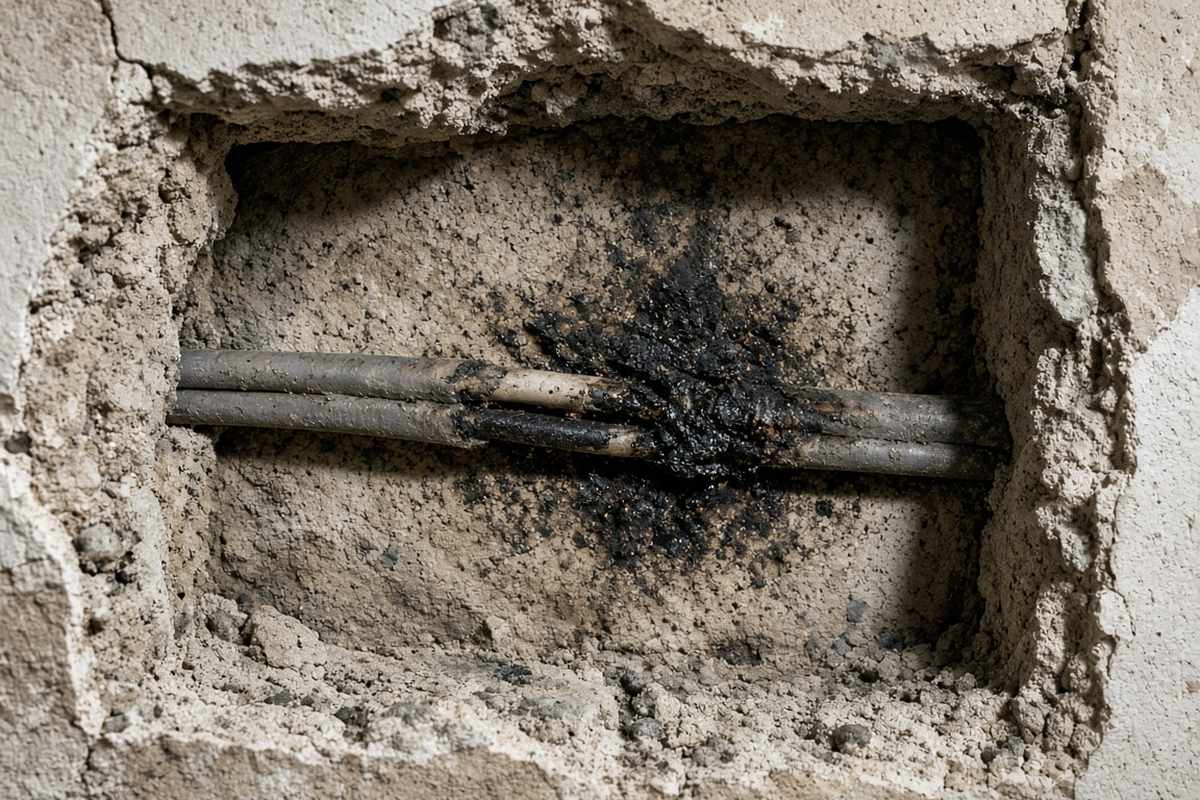
An Electrical Installation Condition Report uses codes to show how serious each problem is. C1 means danger is present, C2 means potentially dangerous, C3 means improvement recommended and FI means further investigation is needed. Any C1, C2 or FI makes the report unsatisfactory. This guide explains each code with examples, what you must do and how remedial work is priced.
The Codes at a Glance
| Code | Meaning | Report outcome | Action |
|---|---|---|---|
| C1 | Danger present, risk of injury | Unsatisfactory | Make safe immediately |
| C2 | Potentially dangerous | Unsatisfactory | Fix urgently |
| FI | Further investigation required | Unsatisfactory | Investigate without delay |
| C3 | Improvement recommended | Satisfactory if only C3s | Optional |
C1: Danger Present
C1 means there is an immediate risk. The inspector should make the item safe before leaving, often by isolating the circuit or removing the fitting, and tell you in writing.
Examples:
- Exposed live conductors.
- A socket with a broken cover exposing terminals.
- Incorrect polarity making a fitting live when switched off.
- Burnt or melted fittings still in use.
C2: Potentially Dangerous
C2 means a fault could become dangerous, for example if another fault occurs.
Examples:
- No earth on a circuit.
- Missing main protective bonding to gas or water.
- Sockets that could be used outdoors without RCD protection.
- High earth fault loop impedance that means a breaker may not trip fast enough.
- Combustible consumer unit in a location that creates a risk.
FI: Further Investigation
FI means the inspector found something that needs investigating but could not finish within the inspection. For example, a circuit that cannot be traced, a low insulation reading of unknown cause or a circuit with no identified protective device.
C3: Improvement Recommended
C3 items are not dangerous but are below the current standard. Examples include a lack of RCD protection on some circuits where it is not judged dangerous, or older but sound accessories.
What Landlords Must Do
For rentals, C1, C2 and FI items must be fixed within 28 days, or sooner if the report says so. The landlord must give written confirmation to tenants and the council. See landlord electrical safety responsibilities.
What Homeowners Should Do
Homeowners are not legally required to act on an EICR, but C1 and C2 items are safety risks and should be fixed. If you are selling, buyers may ask about them.
How Remedial Work Is Priced
Ask for a separate quote listing each item. Common remedials include:
| Remedial | Typical approach |
|---|---|
| Missing bonding | Fit main bonding conductors |
| No RCD protection | Add RCD protection or replace consumer unit |
| Damaged accessory | Replace socket or switch |
| No earth on lighting | Add earth or replace fittings with class II |
| Poor insulation readings | Find and repair, or rewire circuit |
See our cost guide.
Can You Challenge a Code?
Codes are a professional judgement. If you think a code is wrong, ask the inspector to explain. A second opinion from another registered electrician is reasonable.
Frequently Asked Questions
Is an EICR with C3s satisfactory?
Yes, if there are no C1, C2 or FI items.
Must C1 items be fixed immediately?
They should be made safe immediately, usually during the inspection.
Does a new consumer unit fix everything?
No. It fixes protection issues but not wiring faults.
How long does remedial work take?
Usually hours to a couple of days, depending on the items.
Need Remedial Work?
We can fix EICR items across Bath. See EICR vs visual inspection or contact us.