
Bathroom Extractor Fan Not Working or Tripping? Wiring, Zones and the Fix
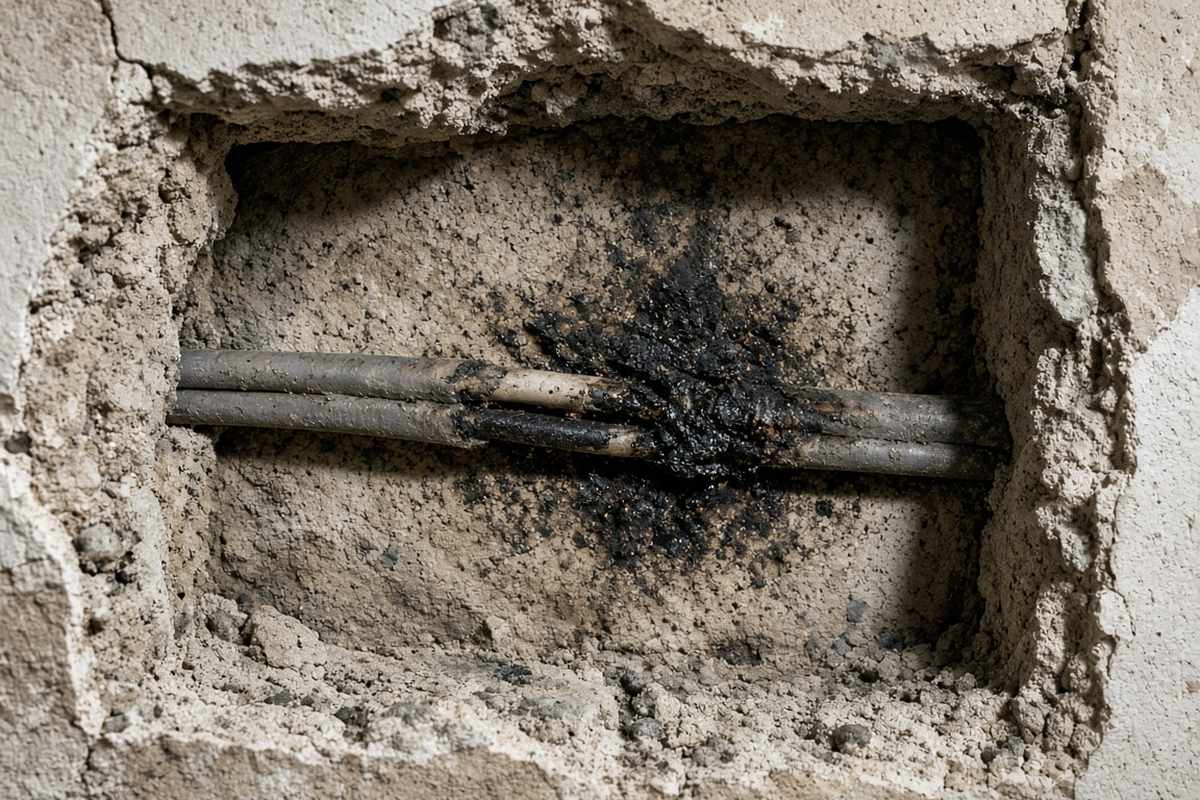
A bathroom extractor fan that has stopped working, hums but does not spin, keeps running long after the light is off, or trips the lighting circuit is one of the most common small electrical faults we are called to in Bath. Most of them come down to a worn motor, a failed timer, water getting into the fitting, or wiring that was never right for a bathroom.
This guide explains how a fan is wired, what bathroom zones mean for the fittings you can use, how to spot the cause of the fault, and what the safe fix looks like.
How Your Fan Is Wired
Most domestic bathroom fans are wired in one of three ways:
- Switched with the light. The fan runs when the light is on, sometimes with an overrun timer that keeps it going for a few minutes afterwards.
- Separate switch or pull cord. The fan has its own switch, usually a ceiling pull cord inside the bathroom.
- Humidistat or continuous running. Newer fans run at a low trickle speed all the time and boost when humidity rises.
Timer fans need a permanent live as well as a switched live, plus a fused connection unit or a 3-pole isolator outside the bathroom so the fan can be safely worked on. A fan that "stays on forever" or "never comes on" often has those two lives swapped or one missing.
Why Fans Trip the Lights
Bathroom fans live in a damp, warm environment and often sit in a ceiling under a cold loft. Common causes of tripping are:
- Condensation running back down the duct into the fan body, especially when the duct rises steeply into the loft without a condensation trap.
- A failing motor that develops a short to earth.
- Water from a leak above, such as a loft tank, roof leak or upstairs bathroom.
- Poor terminations in the fan or the isolator, which overheat over time.
Because the fan is usually on the lighting circuit, a fault here can leave the whole floor in darkness.
What the Bathroom Zone Rules Mean
BS 7671 treats bathrooms as a special location and divides the room into zones:
| Zone | Where | What it means for fans |
|---|---|---|
| Zone 0 | Inside the bath or shower tray | No fans |
| Zone 1 | Above the bath or shower up to 2.25 m | Fans rated at least IPX4, usually SELV (12 V) models |
| Zone 2 | 0.6 m around zone 1 | IPX4 or better recommended |
| Outside zones | The rest of the room | Normal fittings, but still protected by a 30 mA RCD |
All circuits in a bathroom need 30 mA RCD protection. Any new circuit, or work within the zones of a bathroom, is notifiable under Part P of the Building Regulations.
How to Tell What Is Wrong
- No sound, no movement: no power to the fan. Check the isolator switch outside the bathroom, then the lighting breaker.
- Hums but does not spin: a seized motor or failed capacitor. Usually means a new fan.
- Runs constantly: a faulty timer or humidistat, or wiring errors.
- Trips when it starts: moisture in the fan or a failed motor.
- Noisy rattling: worn bearings or a loose backdraught shutter.
What to Do About a Fan That Is Already Damaged
If the fan is wet inside, scorched or has tripped the lights, leave the circuit off until it has been checked. Replacing a like-for-like fan in the same position is often a quick job, but if water has reached it, an electrician should also test the lighting circuit's insulation resistance to make sure nothing else has been affected.
Bath Homes and Fans
In Bath's older houses, bathrooms are often in former box rooms or added in the 1970s and 80s with fans wired off whatever light was nearest. Ducting can run long distances through lofts or between joists to reach an outside wall, and listed buildings may restrict where a new vent can go. In those cases we often fit a quieter, more efficient fan that can work with the existing vent route.
Frequently Asked Questions
Can I replace a bathroom fan myself?
Replacing a like-for-like fan outside the zones is not notifiable, but you still need to isolate the circuit, prove it dead and connect it correctly. Work within zones 1 and 2 is notifiable. If in doubt, use an electrician.
Why does my fan keep running after I switch the light off?
That is usually the overrun timer working as designed. If it never stops, the timer or humidistat may be faulty, or the fan may be wired to a permanent live only.
Does a bathroom fan need its own isolator?
Fans with a permanent live supply should have a means of isolation outside the bathroom, usually a 3-pole fan isolator switch, so they can be safely worked on.
Is it safe to use the bathroom light if the fan has tripped it?
Not until the cause is found. Leave the circuit off and call an electrician, particularly if there is any sign of water.
Get the Fan Sorted
Our kitchen and bathroom electrical repairs service covers fan faults, bathroom lighting and anything tripping in wet rooms across Bath. Contact us to arrange a visit.